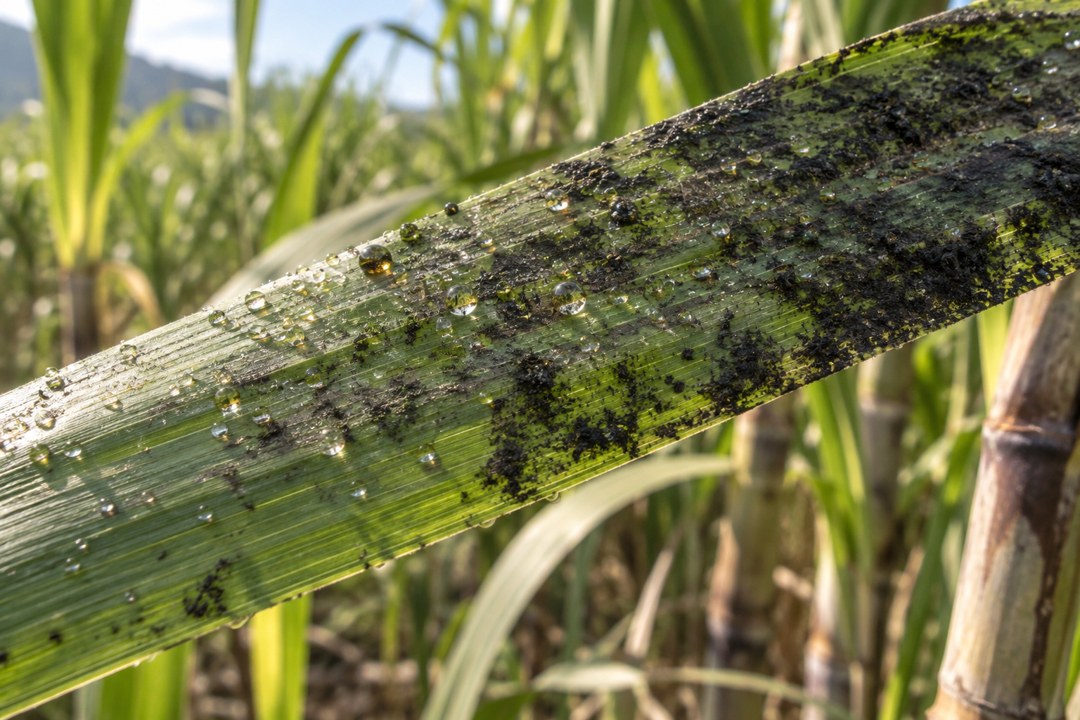
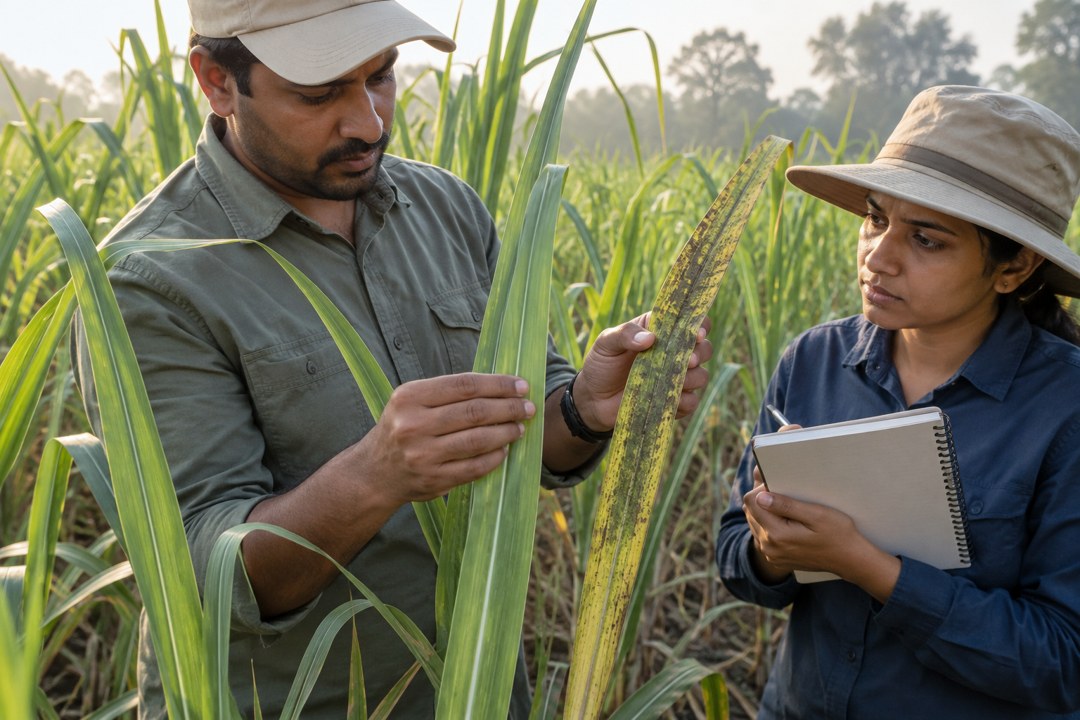
若虫和成虫刺吸叶片,可伴黄化、蜜露和煤污。白色蜡质结构可能来自卵群或昆虫,不能只凭颜色定虫名。
Nymphs and adults feed on leaves. Yellowing, honeydew and sooty mould can accompany infestation. White waxy material alone is not a diagnosis.
中英文字幕 · 每部约2分钟 · 无配音 / No narration。GAKI 会员登录即可观看;下载需要至少1贡献值。 / Sign in to watch; downloads require at least one contribution point.
症状与危害
DAMAGE AND SYMPTOMS
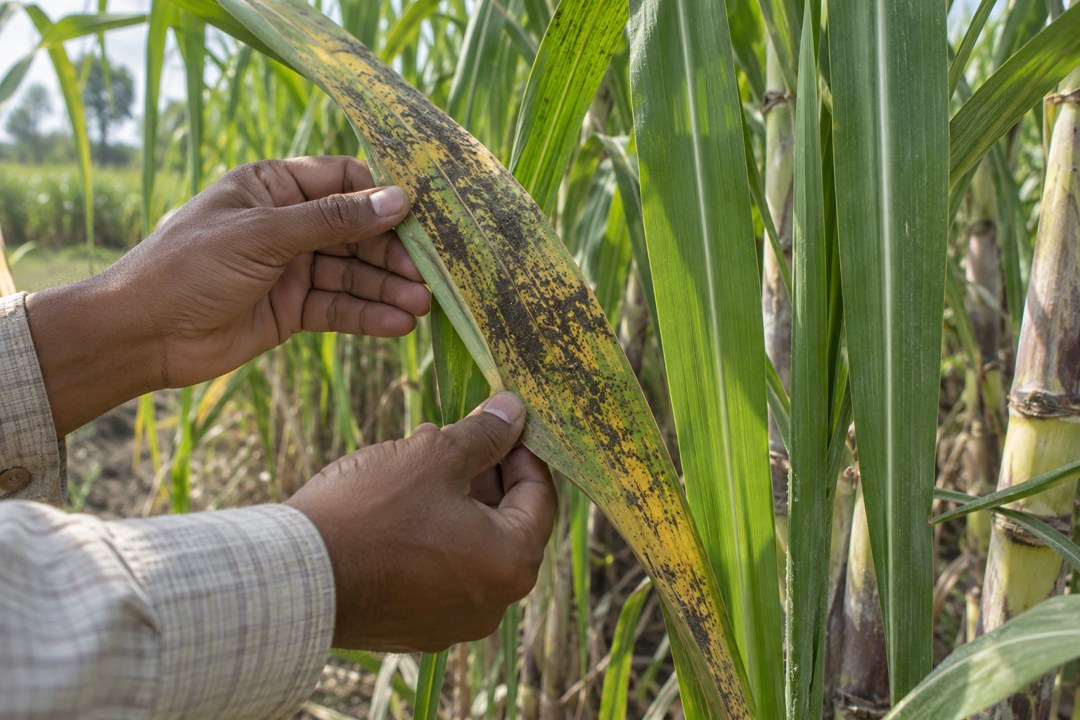
若虫和成虫刺吸叶片,可伴黄化、蜜露和煤污。白色蜡质结构可能来自卵群或昆虫,不能只凭颜色定虫名。
Nymphs and adults feed on leaves. Yellowing, honeydew and sooty mould can accompany infestation. White waxy material alone is not a diagnosis.
来源与传播
ORIGIN AND SPREAD
本片以南亚资料为基础。邻近甘蔗和其他适合寄主可能维持虫口;记录田内外分布,不能凭猜测指定来源。
This film draws on South Asian evidence. Cane and suitable neighbouring hosts may maintain populations. Map observations inside and around the field before attributing a source.
生活史与机理
LIFE CYCLE AND BIOLOGY
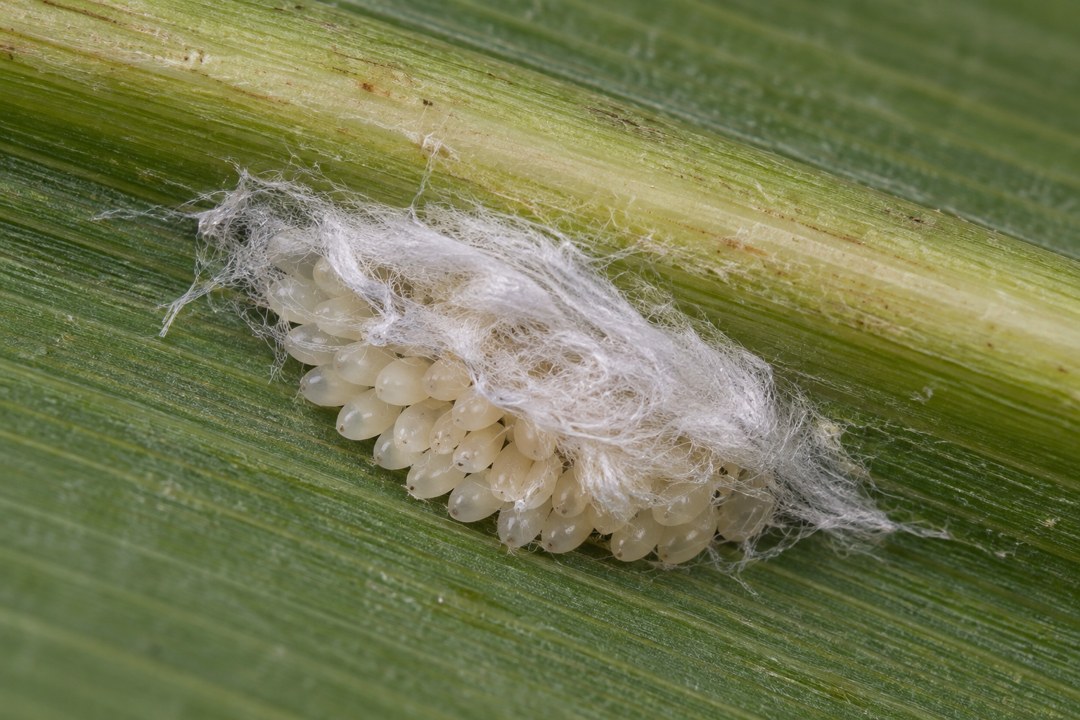
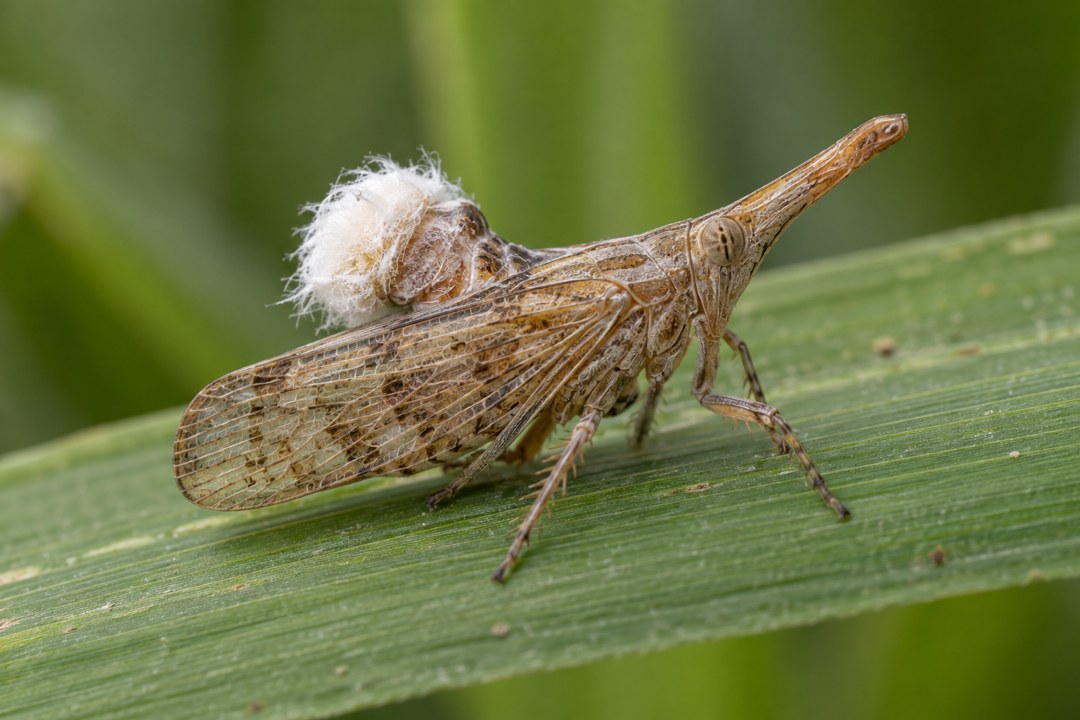
雌虫在叶片上产卵,常选叶背并覆蜡丝;孵化后的若虫经多次蜕皮成为成虫,无蛹期。
Females lay wax-covered egg clusters, often beneath leaves. Nymphs hatch, moult and become adults without a pupal stage.
检查与确认
HOW TO INSPECT AND CONFIRM
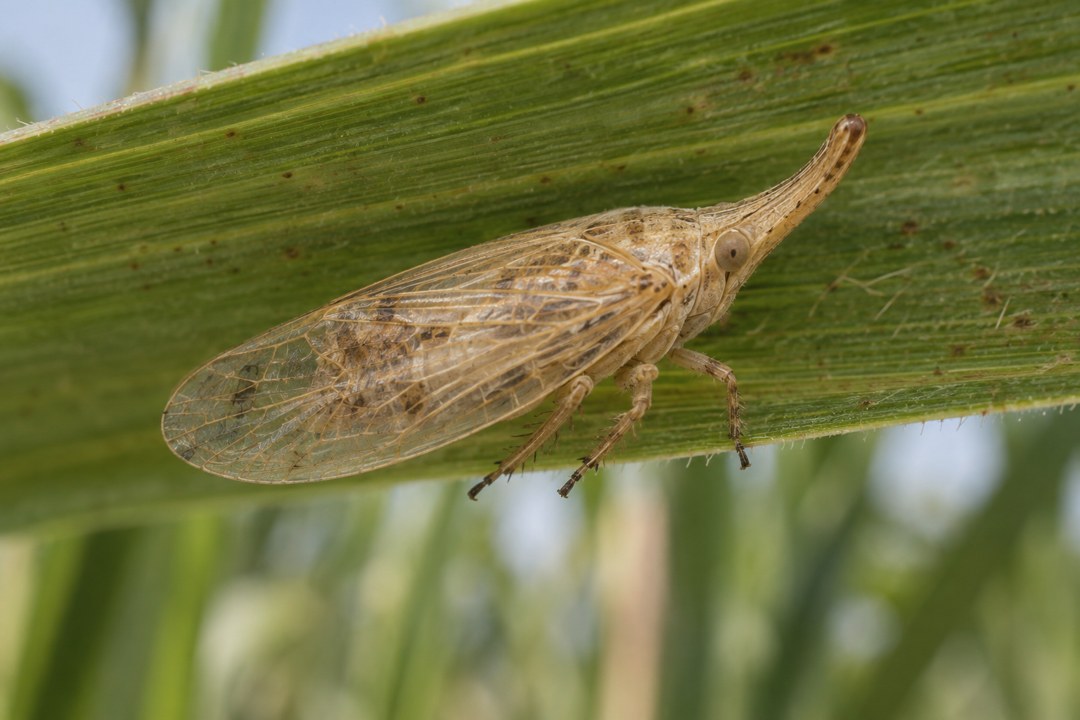
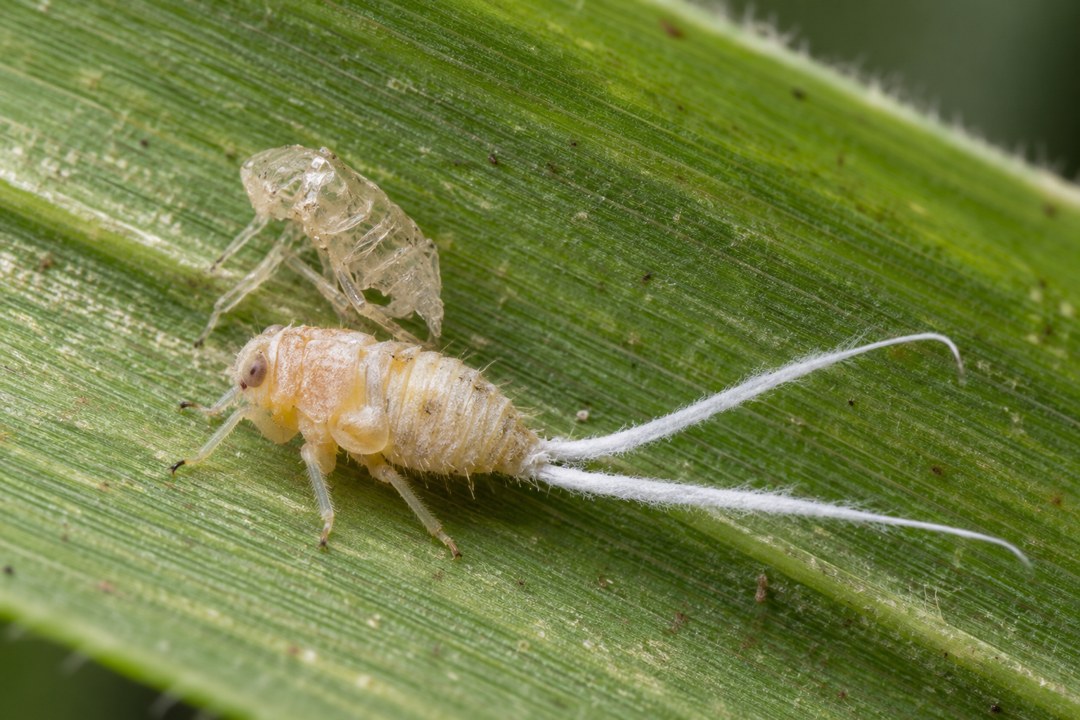
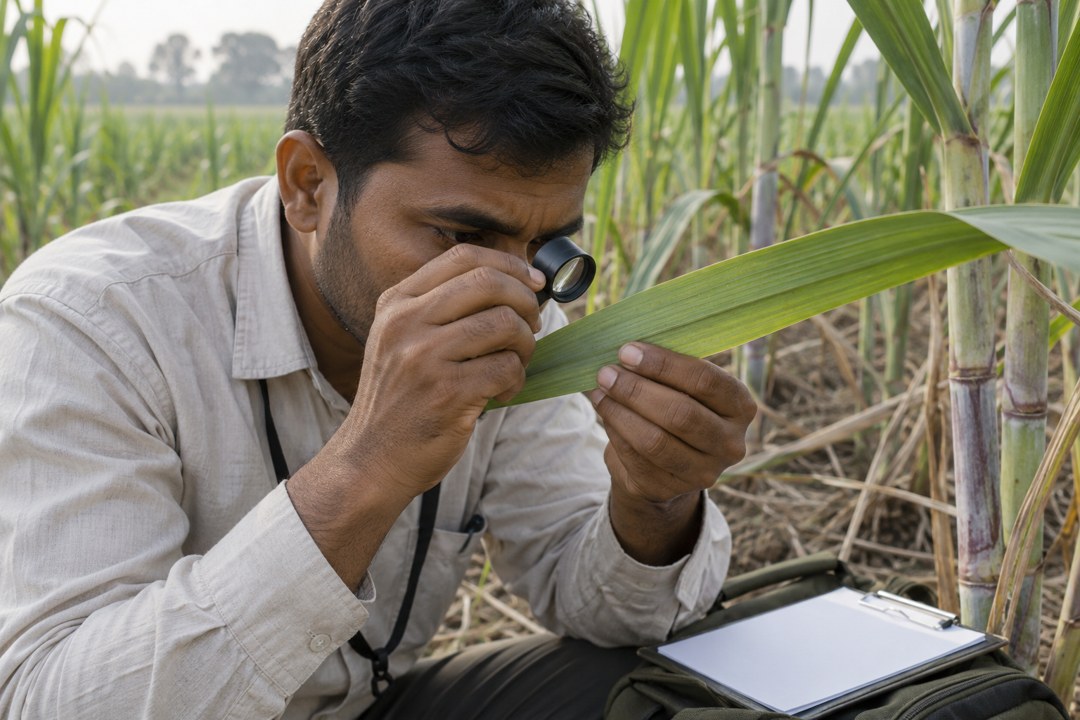
在可比较的叶位查卵、若虫和成虫,同时记录蜜露、煤污和天敌。成虫前伸的头和若虫尾丝用于初筛;不明标本仍需专业核对。
Inspect comparable leaf positions for eggs, nymphs and adults, while recording natural enemies. The adult snout and nymphal tail filaments are useful clues; uncertain specimens need confirmation.
预防、治理与复查
PREVENTION, MANAGEMENT AND FOLLOW-UP
保护当地天敌并用监测数据决策。印度研究支持利用寄生天敌,但不照搬释放数量或跨地区调运。达到当地干预条件时才选择合适措施,随后追踪新叶和活虫数。
Conserve local natural enemies and use monitoring to guide decisions. Indian parasitoid studies support biological control, not universal release rates or unrestricted introductions. Apply locally justified measures and follow up on live insects and new leaves.
观察细节 / Look closely
图片为AI教学重建,非实拍标本或显微照片,不按比例;不能单凭图像确诊。 / AI teaching reconstructions, not authenticated specimens or microscopy; not to scale.
参考资料 / References
- Tamil Nadu Agricultural University — Pyrilla perpusilla
- Ganehiarachchi & Fernando (2006) — Biology of Pyrilla in Sri Lanka
- Gangwar et al. (2008) — Management of Pyrilla with Epiricania in subtropical India
- Population trends of Pyrilla and its parasitoids, Uttarakhand (2024)
科普教学资料,专家审核尚未完成。管理措施需结合本地诊断和技术指导。 / Educational material; expert review pending. Use local diagnosis and agronomic advice.